A Balanced Coffee Table Starts With a Simple Approach
A coffee table can be both practical and decorative. The key is to create a small arrangement that adds character without taking away the usable surface of the table. A few carefully selected objects are often more effective than a large collection of accessories.
Start With One Main Piece
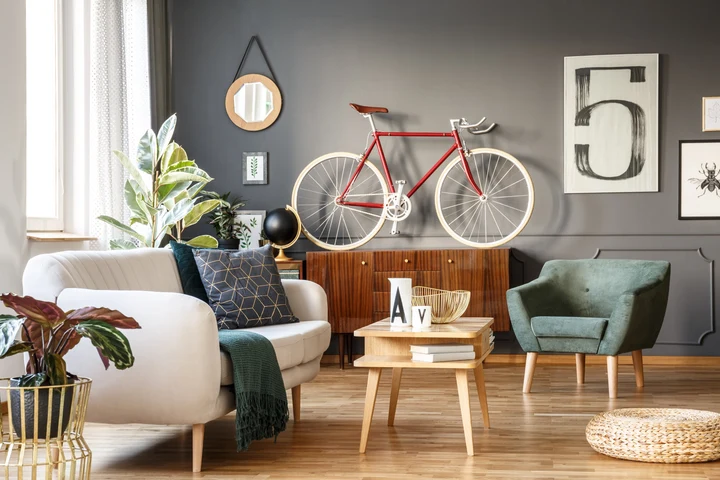
Begin with an object that gives the arrangement a visual anchor. This could be a decorative bowl, a sculptural accent, a tray, or a stack of coffee table books. The main piece helps establish the direction of the rest of the arrangement.
Add Different Heights
Objects with different heights create a more natural composition. For example, combine a low tray with a medium-height vase or decorative object. This creates visual movement while keeping the arrangement relatively simple.
Use a Tray to Create Structure
A decorative tray is particularly useful on larger coffee tables. It groups smaller objects together and makes the surface easier to organize. It also allows you to move several decorative pieces at once when the table needs to be cleared.
Balance Decor With Empty Space
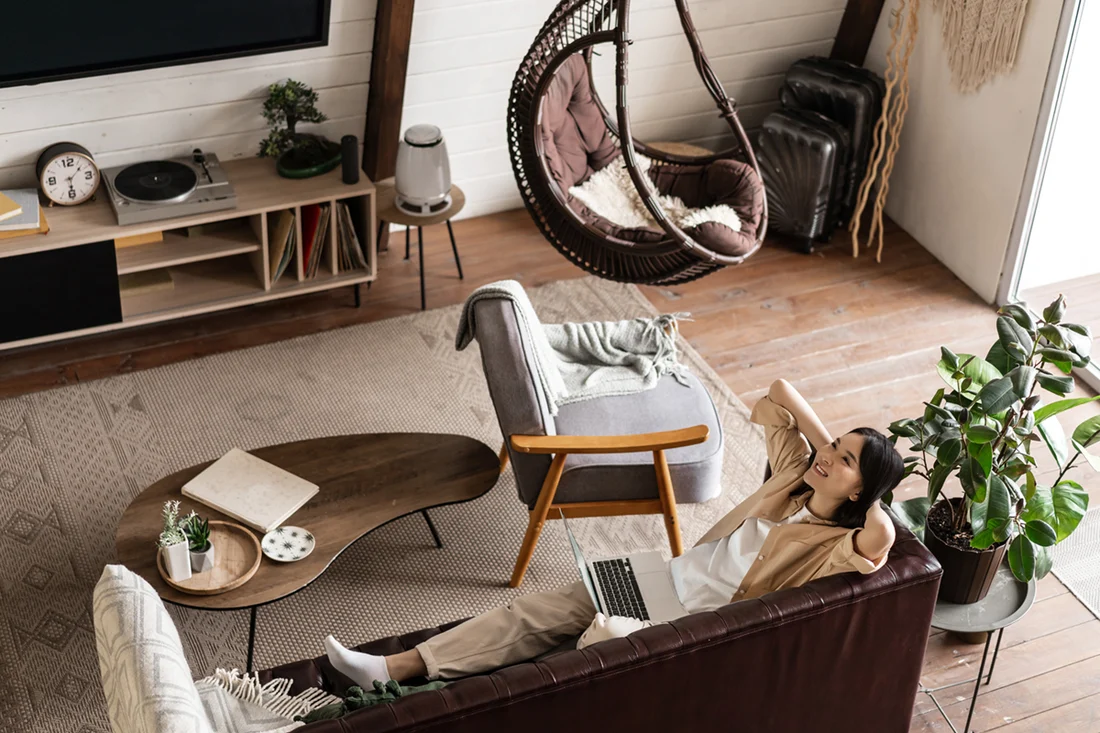
Not every part of the coffee table needs to be decorated. Leaving some open space keeps the arrangement visually lighter and makes the table more practical for everyday use.
Connect the Table With the Rest of the Room
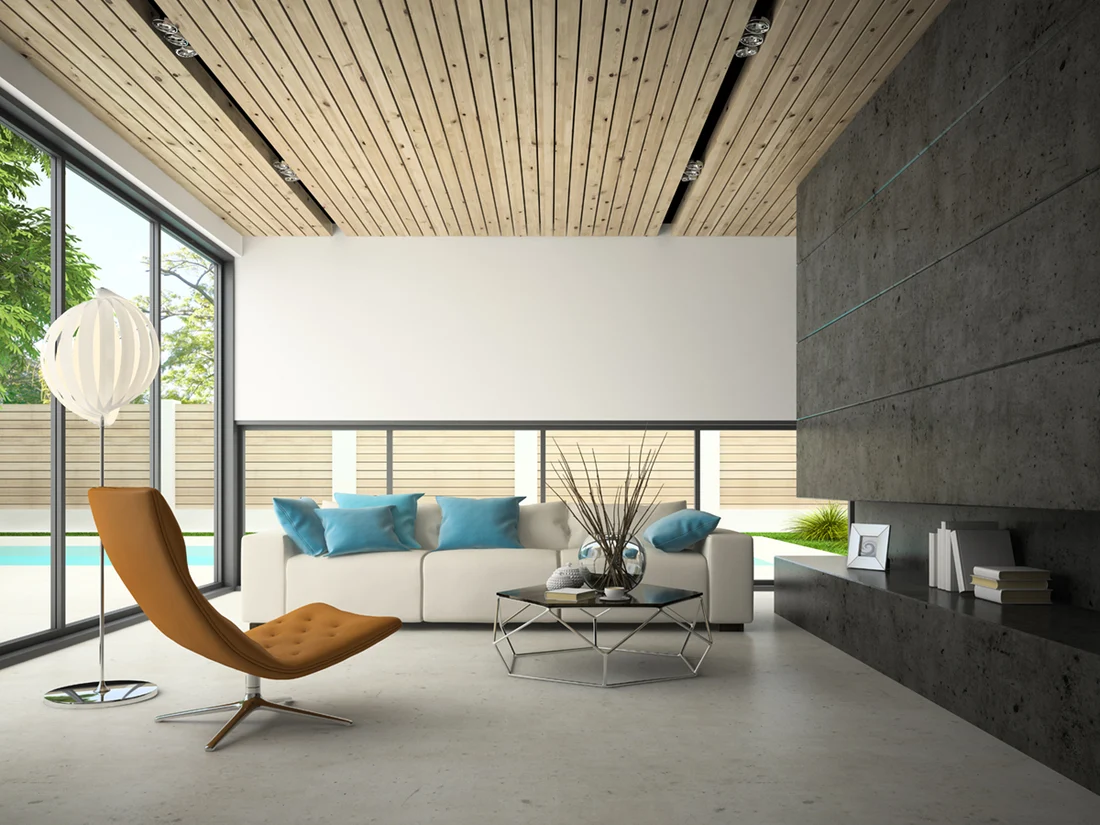
The best coffee table styling feels connected to the surrounding space. Consider repeating a color, material, or texture already found in your rug, chairs, lamps, or other accessories. This creates a subtle relationship between the different elements of the room.
Good coffee table styling is ultimately about balance. Choose a few pieces you genuinely enjoy, give them enough space, and allow the table to remain functional. The result will feel intentional without appearing overly arranged.