Why Layered Lighting Makes a Difference
Good lighting is about more than simply making a room bright. A thoughtfully layered lighting plan can make different areas of your home feel comfortable, functional, and inviting throughout the day.
Instead of depending on a single overhead fixture, consider combining several sources of light. Table lamps, floor lamps, and ambient lighting can work together to create a softer and more flexible environment.
Start With the Main Light
The primary light source provides general illumination for the room. During the day, natural light can often fill this role, while overhead lighting becomes more useful in the evening. Keep the overall lighting comfortable rather than excessively bright.
Add Table Lamps
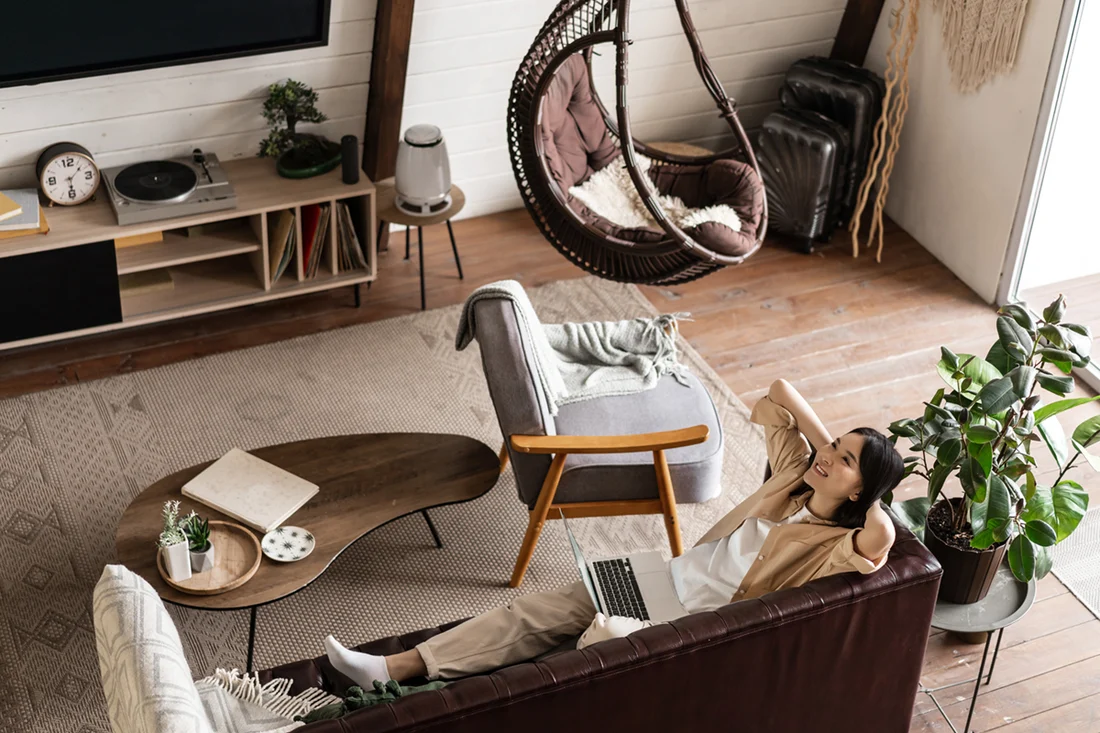
Table lamps are useful for creating smaller areas of light. Place one on a side table next to a sofa or chair, on a console, or on another suitable surface. This can create a comfortable reading or conversation area while adding another decorative element to the room.
Use Floor Lamps for Height
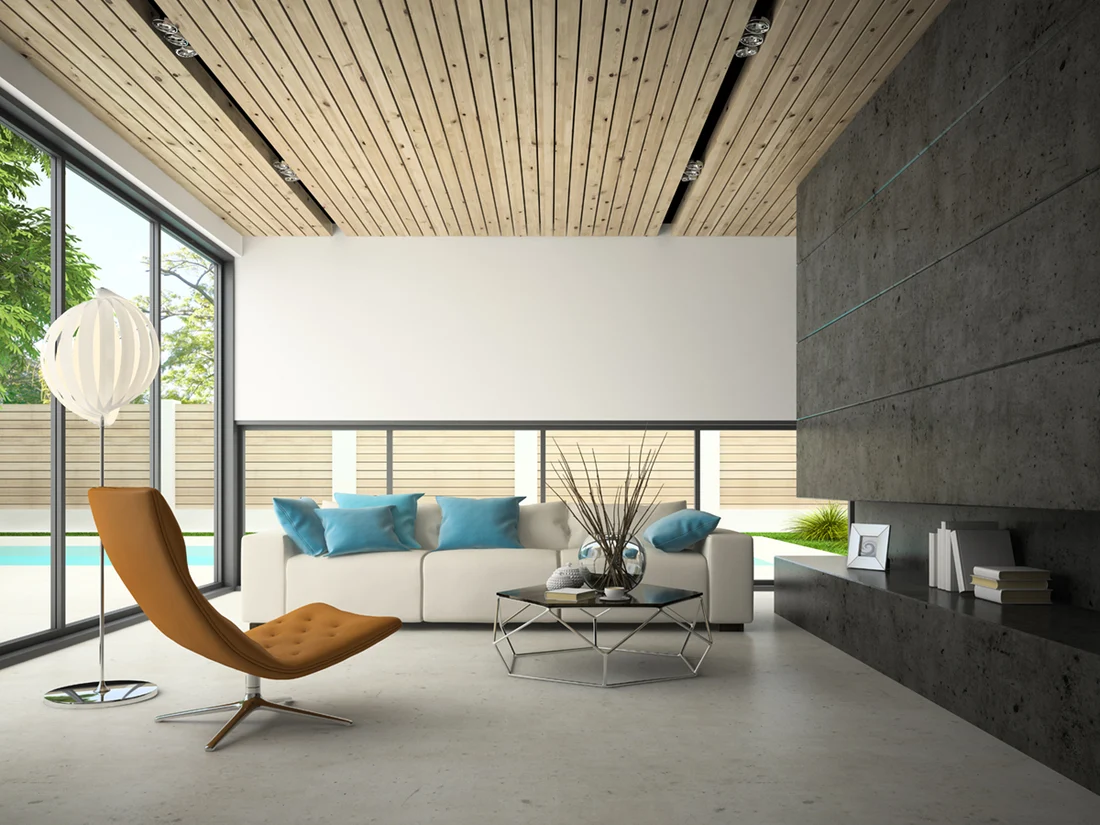
A floor lamp can introduce vertical interest while providing illumination exactly where it is needed. Position one beside a lounge chair, sofa, or reading area to create a dedicated zone within a larger room.
Think About the Mood
Warm and softer lighting generally works well for relaxing spaces, particularly in the evening. Consider how the room feels when all of the lights are turned on together, and adjust the placement so that there are no unnecessarily harsh or distracting areas.
Let Lighting Become Part of the Decor
Lamps do not need to disappear into the room. Their shape, material, and finish can complement tables, chairs, rugs, and other decorative elements. A well-chosen lamp can function as both a practical light source and an important part of the room's visual character.
By combining different lighting sources, you can create a home that feels more flexible and comfortable throughout the day. The right balance allows the room to transition naturally from bright daytime living to a quieter evening atmosphere.